Guide
How to Finance an ADU in California (2026)
HELOCs, home equity loans, cash-out refis, construction loans, and local ADU programs compared, plus a Sacramento example. The CalHFA grant is closed.
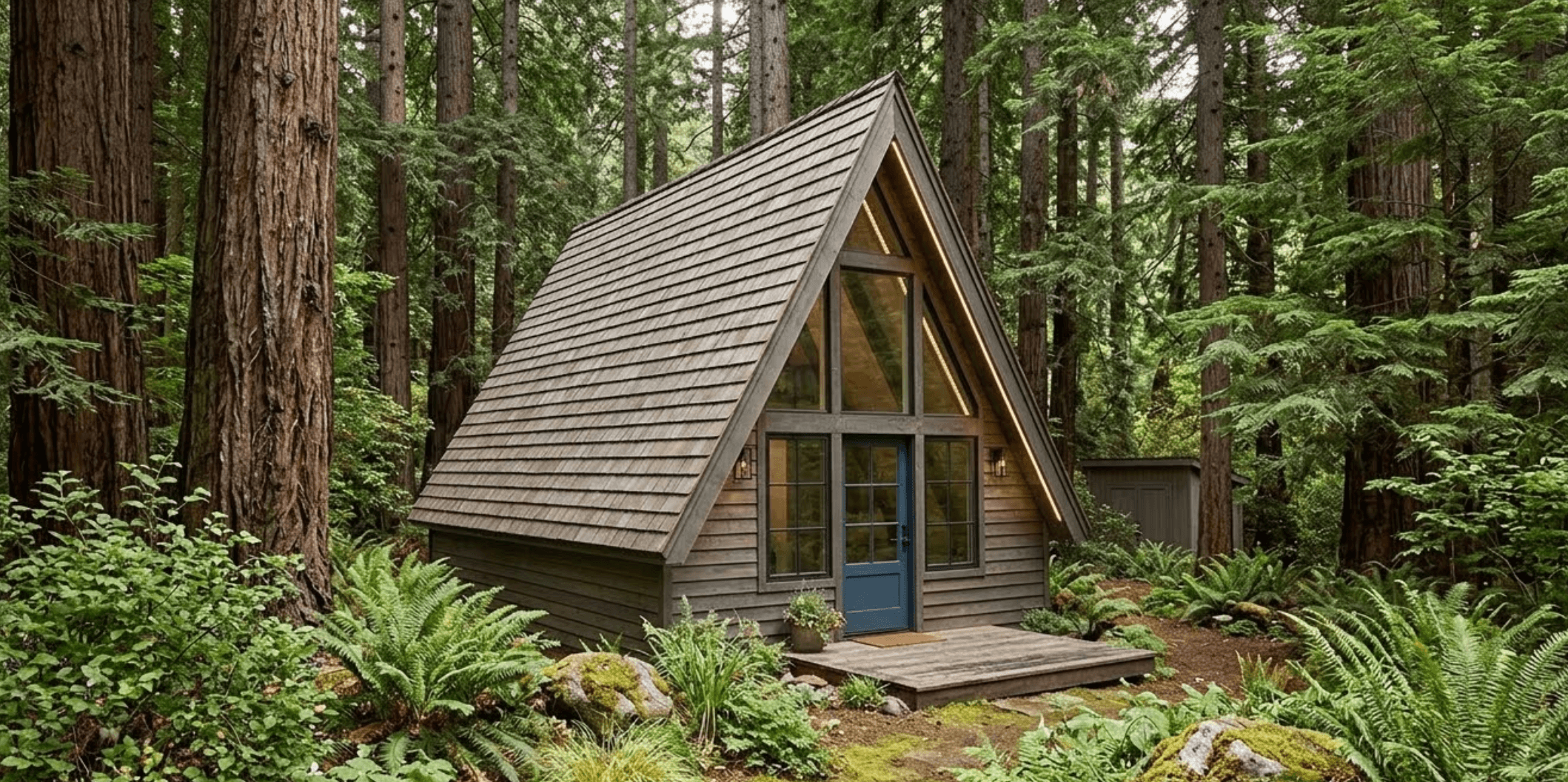
Most California homeowners pay for an ADU with home equity: a HELOC if you want to keep a low-rate first mortgage, a home equity loan if you want a fixed payment, or a construction or renovation loan if your current equity is thin. State grant money is not an option right now, because the CalHFA ADU Grant Program has been closed since December 2023 with no new round announced.
Key takeaways
- ›Your borrowing power starts with equity: roughly 80–85% of your home's value, minus what you owe.
- ›A HELOC is usually the most practical choice if you locked in a low mortgage rate in 2020–2022.
- ›The CalHFA ADU Grant Program is closed. Look for city and county programs instead, such as Napa's forgivable JADU financing or Lancaster's soft-cost loan.
- ›Keeping the ADU under 750 sq ft avoids impact fees under state law, which lowers the amount you need to borrow.
How much can you borrow for an ADU?
Every mainstream ADU financing option runs through home equity. Many lenders cap total borrowing at about 80–85% of your home's current value, minus your mortgage balance.
Example: home worth $900,000, mortgage balance $400,000. Available equity at 80%: ($900,000 x 0.80) minus $400,000 = $320,000.
If your ADU costs $220,000, that covers it. If it costs $350,000, you are over the limit and would need a different structure (see renovation loans below).
Is a HELOC or a cash-out refinance better for an ADU?
For most owners with an older low-rate mortgage, a HELOC.
HELOC (home equity line of credit). A revolving line secured by your home. You draw money as the contractor bills and pay interest only on what you have drawn.
- ›Rate: variable, tied to the prime rate
- ›Pros: draws match the construction schedule, interest-only during the draw period, your first mortgage stays untouched
- ›Cons: the rate can rise, and a lender can freeze the line if home values drop
Cash-out refinance. You replace your mortgage with a larger one and take the difference in cash.
- ›Rate: fixed, like a standard 30-year mortgage
- ›Pros: one payment, long amortization
- ›Cons: you re-price your entire mortgage balance at today's rate
If today's rates are well above your current rate, a cash-out refi raises the cost of the money you already owe, not just the ADU portion. It makes more sense if your existing rate is close to or above current rates.
What about a home equity loan?
A home equity loan is a fixed-rate second mortgage paid out as one lump sum.
- ›Pros: predictable payment, keeps your first mortgage
- ›Cons: you pay interest on the full amount from day one, even while money sits unused during construction, and you make two monthly payments
It works well if you have a firm contractor price. Some owners combine a home equity loan for most of the budget with a small HELOC as a contingency buffer.
When does a construction or renovation loan make sense?
Construction-to-permanent loan. Funds are released to your contractor at milestones, with an inspection before each draw, then the loan converts to a permanent mortgage. It suits owners who need one loan to cover everything, including refinancing the current mortgage. Expect more paperwork and higher rates than a standard mortgage.
Renovation loans based on after-completion value. Some lenders and credit unions underwrite on what your home will be worth once the ADU is built, not its current value. That can raise your borrowing limit if your equity is tight but the finished unit would add significant value. Our city data puts that value bump at $150,000–$300,000 in Sacramento and $200,000–$400,000 in Los Angeles, based on ADUByCity city data, as of 2026.
Are there ADU grants in California in 2026?
Not at the state level. The CalHFA ADU Grant Program, which paid up to $40,000 toward predevelopment costs, has been closed since December 2023, and CalHFA has not announced a new funding round. Check calhfa.ca.gov for updates, but do not build it into your budget.
Local programs are where the money is now. Examples from our city data:
- ›Napa: the Junior Unit Initiative Program offers forgivable financing of up to $50,000 for JADUs and conversion ADUs.
- ›Lancaster: an ADU Assistance Loan Program with up to $10,000 in deferred, no-interest funds for soft costs.
- ›Sacramento: the SHRA ADU Loan Program for qualifying income-restricted projects, plus free permit-ready plans under 750 sq ft.
- ›Hayward: Alameda County's ADU Pilot Loan Program.
- ›Santa Rosa: a checklist for deferring ADU fees until later in the project.
- ›Compton and South Gate: LA County's income-qualified ADU Accelerator Program.
These programs often come with income limits or rent restrictions, so read the terms before you apply.
Worked example: financing a 750 sq ft ADU in Sacramento
Sacramento offers free, all-electric permit-ready plans for studio, one- and two-bedroom ADUs under 750 sq ft. Based on ADUByCity city data, as of 2026:
| Item | Sacramento range |
|---|---|
| Build cost per sq ft | $220–$350 |
| 750 sq ft ADU build cost | $165,000–$262,500 |
| Permit fees | $3,500–$15,000 |
| Impact fees | Waived at 750 sq ft and under |
| Design cost with a city plan | $0 for the base plan |
| Monthly rent | $1,400–$3,200 |
Now the equity check. Say your home is worth $600,000 and you owe $300,000. At 80%, available equity is ($600,000 x 0.80) minus $300,000 = $180,000. That covers the low end of the build range plus permits, but not the high end. You could keep finishes simple, shrink the unit, or look at a renovation loan based on after-completion value.
Because the unit is over 500 sq ft, school fees may still apply (only ADUs of 500 sq ft or less are exempt under SB 543). Run your own numbers in the financing calculator and the permit fee estimator.
What should you bring to an ADU lender?
- ›Your home's estimated value (recent appraisal or comparable sales)
- ›Current mortgage balance and rate
- ›A contractor bid or a realistic budget from the cost calculator
- ›Household income and credit score
- ›Projected rent for the ADU (see your city page or the ROI calculator)
Lenders who know ADUs will ask about rent. Some count projected rental income toward qualifying income, which improves your debt-to-income ratio. Get quotes from at least two or three lenders, because HELOC terms vary more than most people expect.
Which option fits your situation?
- ›Low-rate first mortgage and enough equity: HELOC, possibly paired with a fixed home equity loan.
- ›Rates near or below your current rate: cash-out refinance.
- ›Thin equity: construction-to-permanent or an after-completion-value renovation loan.
- ›Income-qualified or building a JADU: check your city and county programs first.
Compare costs across cities on the ADU cost index, and see ADU rental income and how much an ADU costs before you settle on a loan amount. If you plan to sell the unit later, read can you sell an ADU in California.
Sources
- ›Gov. Code §66324: ADU impact fees (SB 543)
- ›HCD: Accessory Dwelling Units
- ›HCD ADU Handbook
- ›City of Sacramento: Accessory Dwelling Units
- ›City of Sacramento: Preapproved ADUs (AB 1332)
- ›City of Napa: Accessory Dwelling Units
- ›City of Santa Rosa: ADU Fee Deferment Checklist
- ›Cost, rent, and value ranges: ADUByCity city data, as of 2026
Free Service
Ready to Start Your ADU Project?
Get free quotes from licensed ADU contractors in your city. No obligation, takes 2 minutes.
Get Free Contractor Quotes